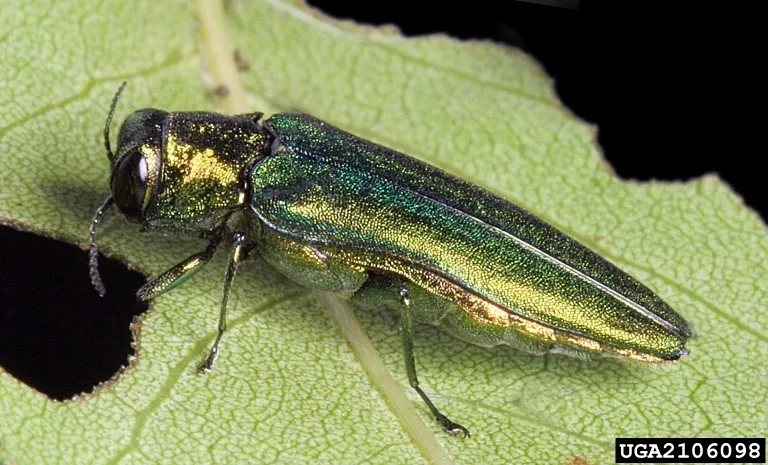
The City of Colorado Springs has confirmed the first detection of the Emerald Ash Borer in local ash trees. This invasive beetle, originally from Asia, poses a serious threat to our urban forest and the outdoor spaces we love.
Adult beetles are metallic green and about half an inch long. Their larvae tunnel beneath the bark, cutting off water and nutrients. Infested trees typically die within two to four years. Colorado Springs has roughly one ash tree for every five trees in the city, meaning tens of thousands are now at risk.
If left unchecked, experts warn that nearly all untreated ash trees could be lost within fifteen years. This would dramatically change our parks, neighborhoods, and trails. Ash trees provide shade, reduce urban heat, improve air quality, and support wildlife. Their loss would also mean higher long-term costs for removal, replanting, and lost ecosystem services.
The good news is that Boulder County, which detected the beetle in twenty twenty-three, has shown that proactive management works. They’ve removed heavily infested trees, treated high-value ones with systemic insecticides, and even released parasitic wasps as a biological control. Early detection and action make a huge difference.
What can you do? First, learn to spot the signs: D-shaped exit holes, serpentine galleries under the bark, crown dieback, and epicormic sprouting. If you suspect an infestation, report it to the Colorado Department of Agriculture or your local city forestry department. Second, if you have ash trees on your property, talk to a certified arborist about treatment options before symptoms appear. Third, support local efforts to diversify our tree canopy by planting native and resilient species.
Pikes Peak Outdoors is committed to protecting the natural beauty of our region. We’ll be following this story closely and sharing updates on treatment plans, removal efforts, and how you can get involved. The Emerald Ash Borer is a reminder that our forests face real threats, but informed communities can make a real difference.
Stay tuned for more, and if you spot something unusual in an ash tree, don’t hesitate to report it.