A Federal Designation with Local Trail Potential: What the Pikes Peak Sentinel Landscape Means for Outdoor Recreation
The Pikes Peak region recently secured a significant federal recognition. In June 2026, it was designated a Sentinel Landscape—one of only 21 nationwide and the only one in Colorado. This partnership among the Departments of Agriculture, Interior, and Defense (now War) focuses on areas where conservation, working lands, and national defense interests overlap.
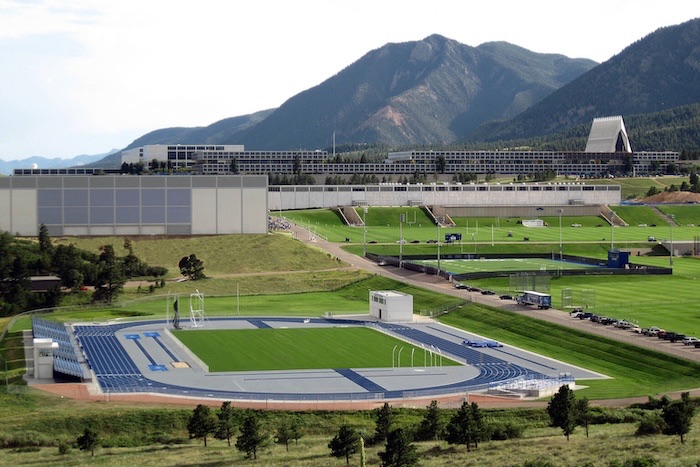
Anchored by the U.S. Air Force Academy and encompassing Fort Carson, Peterson Space Force Base, Schriever Space Force Base, and Cheyenne Mountain Space Force Station, the designation covers more than 2.6 million acres of mixed federal, state, local, and private lands. It does not automatically place land into conservation or create new regulations. Instead, it elevates regional projects for priority consideration on federal grants, conservation easements, and technical assistance.
The priorities identified by local partners and the installations include reducing incompatible development near training areas, building resilience in high-risk forests, improving stormwater and watershed management in the Monument and Fountain Creek basins, directing wildfire fuel treatments to protect critical infrastructure, and conserving habitat for sensitive species. These efforts strengthen military readiness while protecting the open spaces, forests, and working lands that define our region.
For outdoor recreation advocates, the designation creates practical opportunities. Preserved and better-managed open space around the installations can support new trail segments and connectors. One promising area is the landscape surrounding Cheyenne Mountain State Park. Completing missing links here could advance the long-standing Ring the Peak vision—a roughly 60-plus-mile route that circumnavigates America’s Mountain. Better connections through and near the state park would give residents and visitors more continuous, high-quality trail experiences while keeping development pressures at bay.
These trails deliver more than scenery. They support physical fitness, reduce stress, and foster mental well-being. For military families living and working near the five installations, reliable access to nature is especially valuable. Trails and open space contribute to family readiness by providing places for exercise, recovery, and shared outdoor time that help service members and their families thrive.
The Sentinel Landscape framework also strengthens existing collaborations, including the Security, Open Space, and Agricultural Resilience (SOAR) initiative led by partners such as Palmer Land Conservancy, The Nature Conservancy, and others. By aligning federal priorities with local needs, the designation can accelerate progress on projects that serve both national security and community quality of life.
This is a moment of opportunity for the Pikes Peak region. The designation gives us a stronger position to pursue funding and partnerships that expand trail networks, protect watersheds, and keep the outdoors accessible for generations to come.
We invite you to get involved. Explore the trails at Cheyenne Mountain State Park and other regional open spaces. Stay informed about Ring the Peak progress. Support the work of Pikes Peak Outdoors and our partners through advocacy, volunteering, or partnership. Visit pikespeakoutdoors.org to learn more, share your ideas, and help shape the next chapter of outdoor recreation in the region. Together we can turn this federal recognition into lasting trails, healthier communities, and a stronger connection between our military installations and the natural landscapes that surround them.